Introduction:
AI is now used in almost every aspect of our technical lives, and in every facet of the car manufacturing process as well. As a technical society, we depend on AI for a variety of purposes, but I would like to focus on how AI has changed the automotive industry over the past couple of decades.
History:
Automobiles became common in the early 20th century when the famous Model T was created. Soon after, the 1920s brought a tremendous growth in automobile ownership with over twenty-three million registrations worldwide towards the end of the decade. Since then, automobiles have gone through significant changes and have become much safer to drive. Some of the first notable changes were in the assembly of automobiles in 1913, to changing the materials used for car components. Redesigning the gear shift from stick to automatic transmission created a surge in the purchase of automobiles. Numerous car manufacturing companies grew, such as Ford or Chevrolet who experienced vehicle production of over a million units in the 1940s. The addition of air conditioning and heating in cars went from being a luxury to a necessity post World War II. Now, only 1% of passenger cars do not have air conditioning, and for all the cars that do have these cooling units, their system is highly advanced with features such as dual and rear climate control. All these changes over the last century culminated to create the innovative vehicles we drive today, but the automotive industry will continue to change as society and AI progresses globally.

AI in Factories:
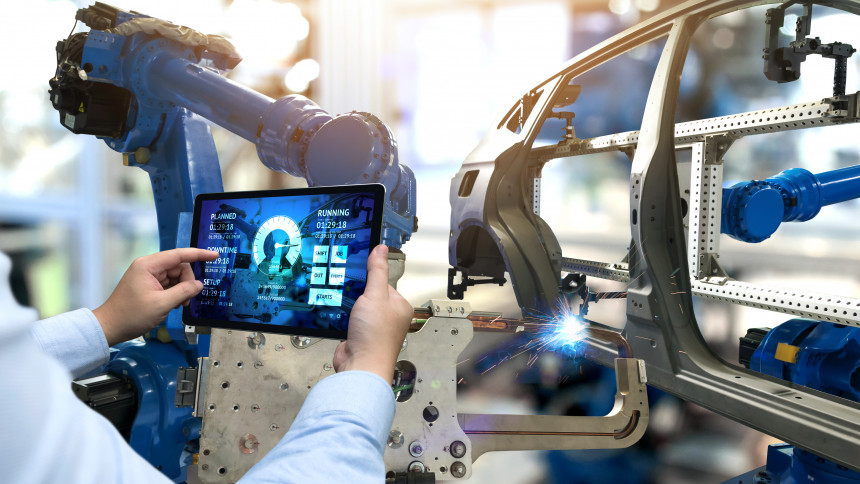
The utilization of artificial intelligence is not only used for cars when they are on the road, but more importantly in the factories and machines used to build them. According to Rethink Robotics, an automotive company based in Germany, their robots are used for tedious tasks in the factory such as “supply chain issues, tending machines, handling materials, performing tests, and packing finished products”. Many of these industrial robots can work more efficiently than humans, resulting in a quicker and more efficient production process.
Issues in supply chain are imperative to prevent and detect, since a single breakdown can result in a domino effect and add more costs for a company. With the assistance of AI, logistics and inventory tracking and management is regulated much more easily, and employees in warehouses or factories are updated and more aware of any issues that may arise.
Automotive testing includes several AI capabilities. The most commonly used process for this is called model-based testing, which includes artificial intelligence and machine learning systems. The AI component of this testing procedure allows software to become more accurate in predicting certain conditions, and the ML algorithms use historical data as input to predict outcomes.
AI in Cars:
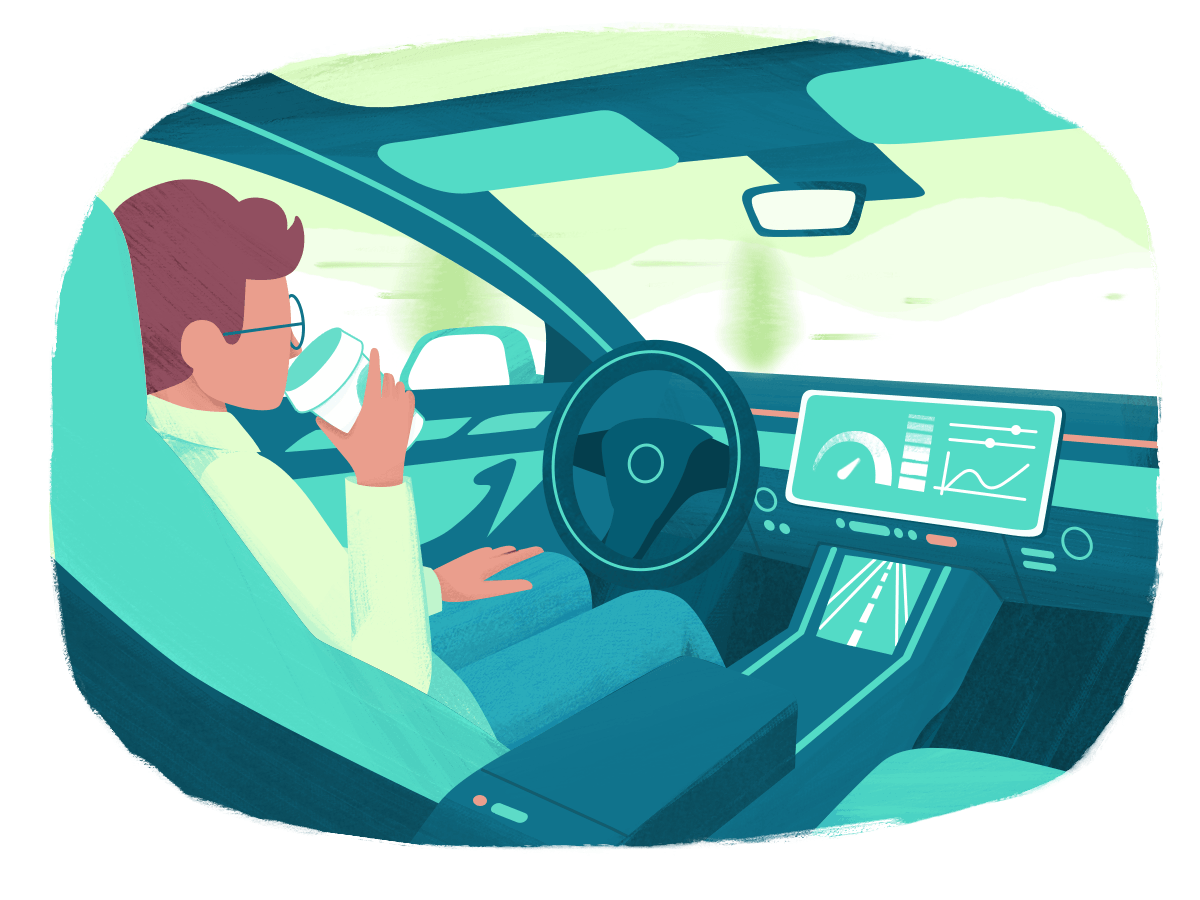
The rise of AI led to a significant increase in autonomous and semi-autonomous cars. Most popular of these self-driving cars is a Tesla model. But how exactly are AI algorithms used in testing these vehicles before they are available to the public?
One article published through Stanford University focuses on “How AI is making autonomous vehicles safer” and mentions how “algorithms take an adversarial approach, trying to find weaknesses”. Developers use a falsification method to create validation algorithms to search for any way a system might fail, or in this case, any way a car may crash. Another method of testing using AI is called “compositional validation” whereby individual components are tested separately to ensure efficiency and overall success in the system safety.
Impacts on Automobile Businesses:
After discussing various aspects of the automobile industry and how AI plays an integral part in its innovation, it is important to note how these changes have affected automobile businesses and their demanding consumers. Now that most cars are equipped with safety technology, such as a blind spot detectors, reverse cameras, dynamic air conditioning, adaptive cruise control, lane-keeping assist, and central airbag improvements, consumers are not settling for less. Competition amongst large and renowned car manufacturers has driven the automotive industry to automate even more in the hopes of appealing to more consumers. Families with younger children or young adults who are learning how to drive are searching for safer vehicles provided with technological solutions, and with the help of AI, Toyota, Honda, BMW, Kia, and many other companies are rapidly expanding their scope for the design and implementation of their products. Artificial intelligence has brought our technical society very far, but innovators have yet to cease improvement.
Sources:
https://hai.stanford.edu/news/how-ai-making-autonomous-vehicles-safer
https://usmsystems.com/ai-in-automotive-industry/
https://www.forbes.com/sites/forbesbusinesscouncil/2022/04/19/three-ways-ai-is-impacting-the-automobile-industry/?sh=2e0f4f834a73