For a chef, receiving a Michelin star is the equivalent of winning an Oscar or an Academy Award. The Michelin Guide’s awarded Michelin Stars represents a lifetime of hard work and has become the most coveted and respected culinary award a restaurant or chef can receive. In order to be considered for a Michelin star, a restaurant must show a mastery of ingredients and cooking techniques and showcase the personality of the chef in the cuisine. With only a handful of chefs deemed worthy of this distinction, they have all shown a tremendous amount of creativity and technique mastery. One of the reasons why earning a Michelin star is so difficult is that these critics want to have a completely new experience.
As a chef, it is really difficult to create and innovate simultaneously making sure that it is a flavor that is not too familiar. A chef’s signature cooking style and menu curation stems from their cultural background, where they were taught and trained, and even the flavors that they grew up around. For example, as a chef from the Philippines, I am familiar with using sweet and savory combinations in dishes. I also grew up with a lot of Laotian and Vietnamese influence so working with fish sauce is normal for me. With these flavor backgrounds, I have my own personal styles to cook with but it is not innovative at all. In this week’s edition of weekly blogs, we will be talking about creative computing and how chefs feed AI algorithms recipes in order to find patterns and create new dishes.
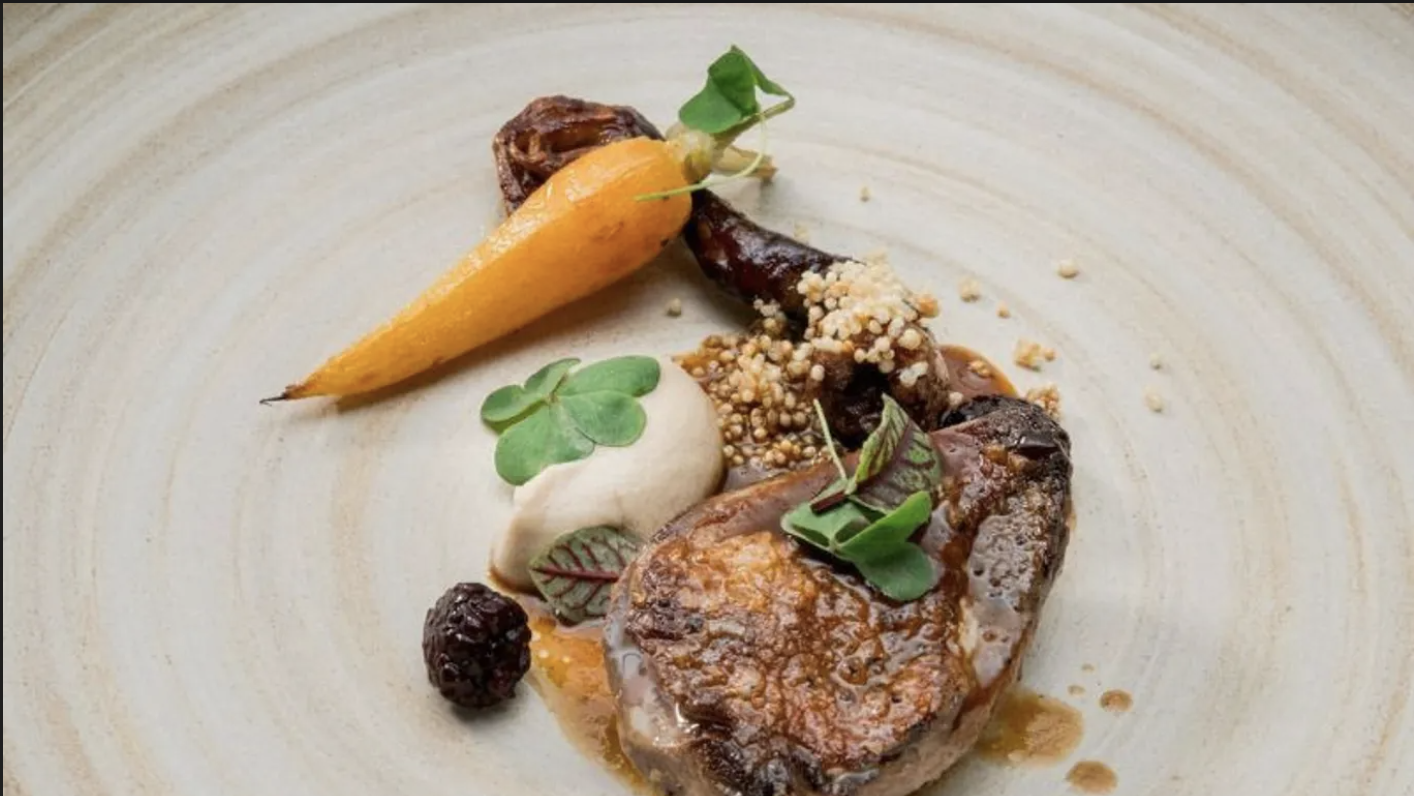
IBM and Chef Watson – Early Applications
One place that I did not anticipate was the integration of AI in recipe creation. In 2012, teachers from IBM collaborated with the Institute of Culinary Education (ICE) and created Chef Watson to apply computational creativity to the culinary world. You may be wondering though – “how does a machine with no sense of taste or smell, be trusted to create new recipes?”. The creators of Chef Watson fed the program with around 10,000 recipes from Bon Appetit’s archives and utilized natural language processing to analyze the recipes and learn the logic behind ingredient usage and how they were combined. What sets Chef Watson apart from human chefs was their ability to understand complementary flavors. A chef on average can only think of pairing a few ingredients together and that is only because of years of experience working with those flavors. Chef Watson has the capacity to look at pairings of six, seven, or even nine ingredients at a time without a problem. This is the reason why Chef Watson was able to advise cooks and discover totally unique recipes using this flavor compound algorithm. The professional version of Chef Watson was used in the ICE test kitchen which consisted of extra thirty-thousand recipes and added information about the molecular makeup of smells and flavor compounds. In addition to the extra information in the professional version of the program, IBM also fed the program information regarding hedonic psychophysics that investigates the smells and tastes that people tend to enjoy.
How Chef Watson Works
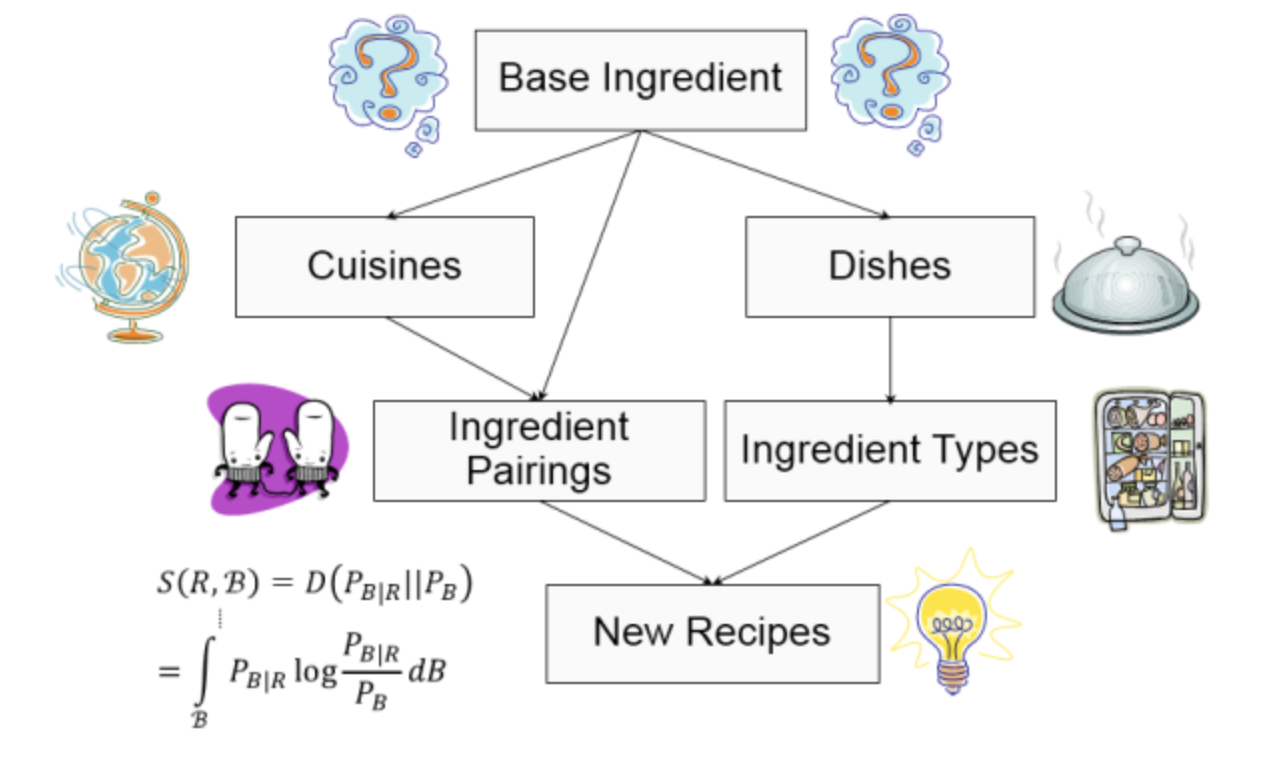
Chef Watson is a computer program designed to help cooks discover and create original recipes with the help of its flavor compound algorithms. A cook starts by choosing an ingredient they want to cook with from the list of options. Then, the cook selects what they are actually trying to make, whether it be a pasta dish, paella, burger, etc. Finally, the cook selects a theme in which they want to cook. This can be anything from “Chef’s Day Off” to “Tuscany Nights”, this just represents the ambiance in which you would like to consume what you plan to make. After all the prompts are answered, Chef Watson generates a list of recipes that would be good to try that fit the parameters that the chef specified in the program.
(Note: ICE and IBM Published a cookbook with 65 recipes made by Chef Watson.)
Sony AI and the “Gastronomy Flagship Project”
In 2020, Sony AI began working on its own recipe creation app. In addition to recipes, Sony AI will utilize data sources such as flavor and molecular structure. Similar to Chef Watson, Sony AI wants the app to supplement the chefs in their creative processes including ingredient pairing, recipe design, and menu curation. This is just one arm in Sony’s Gastronomy Flagship Project, which aims to study how AI and robotics can help in every aspect of culinary work, not just within theoretical menu creation and curation. Sony also wants to develop robotics that can assist chefs with the preparation part of the culinary adventure. The goal of robotics is to learn the various preparation techniques it takes to complete certain tasks. This may be as simple as understanding the proper terminology of cutting and preparing ingredients to cooking techniques. Sony AI aims to create a solution that can assist chefs through the entire process, from preparation to the plating.
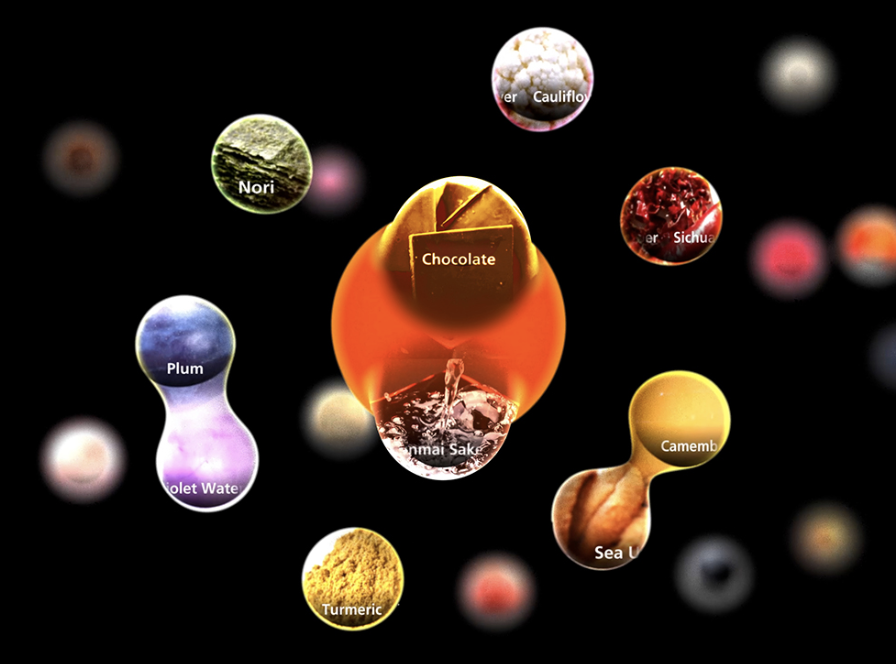
Everything in the culinary world is about experimentation and feedback. The third arm of the Gastronomy Flagship project is focused on building the feedback aspect of the culinary journey. Sony AI has announced an interview series where chefs of various backgrounds are interviewed to speak on their creative process, sources of inspiration, and their use of technology. Sony AI is still actively looking for more partners in order to continue its research and refine its models. Chefs such as Chef Hajime Yoneda, owner of 3-Michelin Star restaurant HAJIME in Osaka, Japan one of the collaborators working on this project.

Conclusion
Recipe creation is the backbone of creativity in the culinary world. Chefs derive most of their identity through their social, ethnic, and educational backgrounds, which all translate to the way that they create recipes. Programs like Chef Watson and the Gastronomy Flagship Project use natural language models along with data from recipes, smells, tastes, and molecular structures in order to find patterns in recipes. Feeding these programs with recipes from award-winning chefs will allow the programs to learn the patterns that make each chef unique while removing the biases and preferences that come naturally to each individual chef. This program, combined its creativity with a chef’s technical expertise opened the door to the discovery of new flavor pairings, never before enjoyed by diners to this day. Who knows? Maybe a few years from now, when you get the chance to sit at a fine dining establishment, you would not even know that the dish that you are enjoying was based on a suggested recipe by AI.