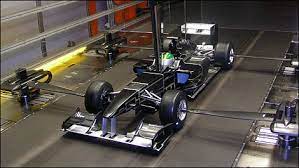
As we know it, AI has tremendous applicability in almost every industry and sector. It helps interpret data and make complex decisions based on the findings. In a sport that already utilizes cutting-edge technology, such as Formula 1, efficient data-driven decision-making can be the difference between winning races. Formula 1 cars are single-seat racing cars that the teams must build to the exact specification set by the participating groups and the Federation Internationale de l’Automobile or FIA, as it is referred to commonly. Due to the nature of the sport, making progress up the racing grid only occurs if the data is in your favor. From wind tunnel testing in the preseason to driver simulations and track testing, teams are logging what is going on to find the answers that will bring the maximum team performance.
History of F1 and FIA Rule Changes
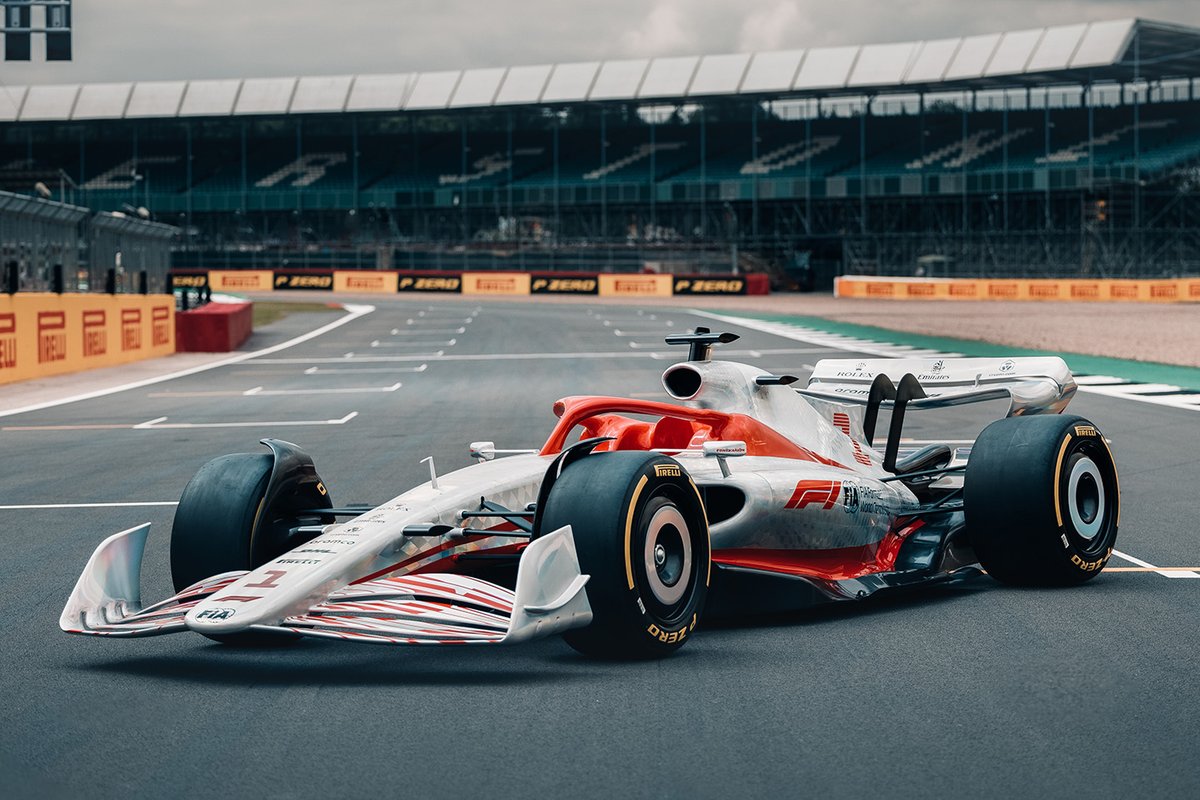
Formula 1 is one of the most exciting and intense racing sports enjoyed by millions worldwide. Formula One is F1, as it is casually referred to, has its roots in the 1900s in Europe. The FIA is the worldwide governing body of Formula 1 and is entirely responsible for determining Formula 1 rules, interpreting them, applying sanctions, resolving disputes, and issuing super licenses to F1 drivers. The sport of Formula 1 has evolved tremendously since its first Grand Prix in France. Throughout the years, the FIA has revised the rules of F1 to make the sport safer yet more competitive for the teams and drivers. The most notable rule changes were in 1994, 2009, and 2014. In 1994, the FIA modified the rules to ban technology that could aid the driver, such as active suspension, traction control, and four-wheel steering. This modification allowed drivers to be more competitive and rely on their skills to win places on the racing grid. The 2009 rule modification regulated the use of aerodynamic appendages on the car. This rule allowed for more wheel-to-wheel competitive racing for positioning as there were no more unnecessary attachments that would make it unsafe to follow other vehicles at a closer distance. The third-most notable rule change occurred in 2014, which mandated the use of V6 Turbo-hybrid engines and more defined requirements of the front and rear wings of the car. These rules forced the teams to rely on testing and data more to create a new engine that fit the parameters of the rules. This rule adoption was the first of many changes focused explicitly on the team’s ability to race with the same engine.

F1 Today: Finding an Edge with AI and ML
Today, an F1 Race Weekend consists of Free Practice, Qualifying, and Race Day. Free Practice is the only day during the weekend when you can take your team out on the track and collect data on how your car responds to the tarmac. In this stage, hundreds of sensors embedded in the car feed data back to the team, such as lap time, tire temperature, aerodynamics, break force, break temperature, etc. From this information, the crew can adjust small things within the vehicle to develop a racing strategy for the driver over the weekend. According to an article, teams can collect data from the cars that engineers can translate to “information about the technical aspects of racing such as exit speeds, predicted pitstop strategy, over-taking difficulties, and tire conditions.” Machine Learning is also used to model the most optimal racing line for drivers to follow to produce the fastest lap time among all drivers.

AI and ML to improve the Viewer Experience
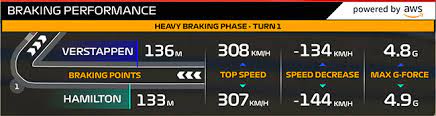
F1 and Amazon’s Machine Learning Solutions Lab scientists have partnered to provide an enhanced viewing experience for the audience. Current F1 cars can reach top speeds of 220 mph, and a lot of information can be displayed to the audience on TV at once that may overwhelm the viewer. To make F1 more engaging to the viewer is to present the information in a more digestible format. According to the article, “F1’s data scientists have trained deep-learning models from Amazon SageMaker and AWS to analyze race performance statistics”. This partnership was spearheaded by F1’s Managing Director, who set out to improve the viewer experience during the race by providing real-time information that the teams are currently using. These features allow more insight into decisions and strategies that F1 teams and drivers adopt.
The Future of F1
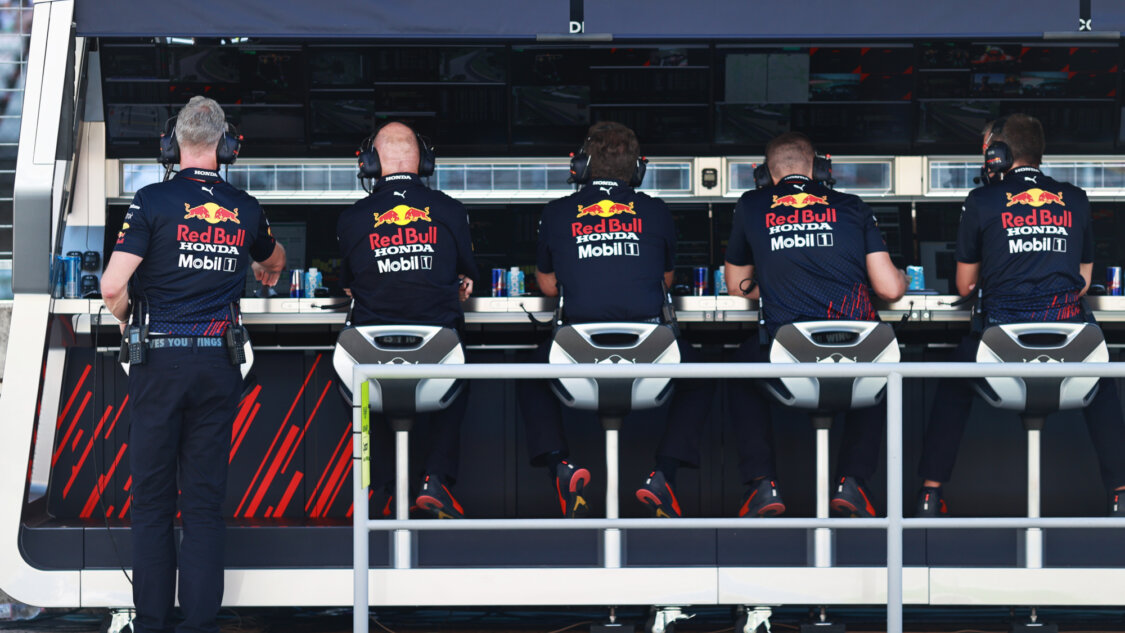
Although the actual implementation of AI and ML are closely-guarded secrets for each team, there is no doubt that they utilize the information from the data to map how well their cars perform against others. Christian Horner, team principal of Redbull Racing and back-to-back Constructor’s Champions, said, “AI and ML are big categories that are emerging. Both areas, with the amount of data that we generate and the way that we simulate, are going to play a key role in our decision making as track time becomes ever less”. Redbull is one of the leaders in the push to partner with data companies to help them build an advantage for their team. For example, Rebull and Oracle have announced a partnership where Oracle will help provide insight into the data collected from the cars. Similarly, the Mercedes-AMG Petronas team has a partnership with TIBCO Software to take the use of its data to the next level. It is only a matter of time before all ten teams that compete in the sport adopt this similar partnership.
In one race weekend, a team can generate terabytes of data through over 300 sensors embedded in the vehicle and even biometric information on the driver itself. In a sport where the rules evolve as technology advances, it is essential to leverage data in a way that makes it an asset to the organization. Regardless of the industry, organizations can benefit from strategically using data. Whether it be to supplement decision-making or generate insights to accelerate vehicle developments, the applications of AI and ML in the sport of racing are only now scratching the surface of their potential.
Citations
(2021, April 15). How Red Bull plans to take AI in F1 to the next level. Motorsport.com. Retrieved January 30, 2023, from https://us.motorsport.com/f1/news/red-bull-artificial-intelligence-oracle-partnership/6271316/
(2021, April 15). Why Artificial Intelligence could be F1’s next big thing. Motorsport.com. Retrieved January 30, 2023, from https://www.motorsport.com/f1/news/why-artificial-intelligence-could-be-f1-s-next-big-thing-1006417/1392188/
(2022, May 23). How Formula 1 Incorporates Amazon’s AI and Machine Learning to Enhance Viewing Experience. JumpStartMag.com. Retrieved January 30, 2023, from https://www.jumpstartmag.com/how-formula-1-incorporates-amazons-ai-and-machine/
ESPN EMEA (2022, May 23). A timeline of Formula One. ESPN.co.uk. Retrieved January 30, 2023, from https://www.jumpstartmag.com/how-formula-1-incorporates-amazons-ai-and-machine/