What does that even mean?
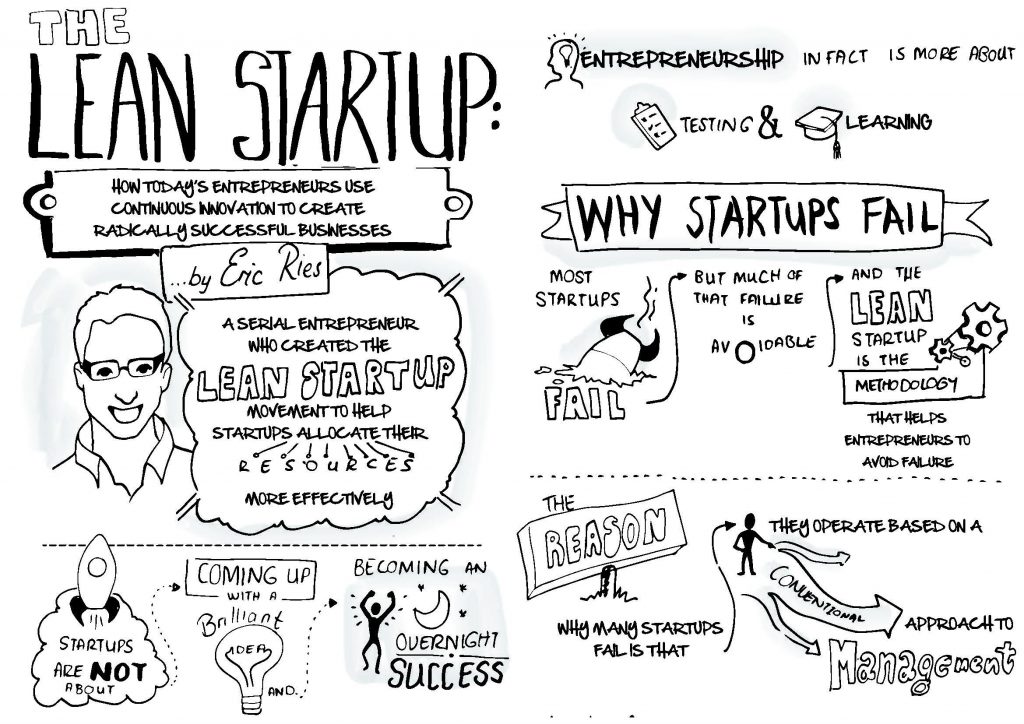
This class has exposed us to a lot of new and old entrepreneurs and innovators. It is pretty clear that things simply don’t work the same as they used to. Technology has changed the way that humans interact with the world. Everyone is forced to think about problems differently and create solutions in a way more creative and innovative manner. If you were thinking of starting a business in the past, there was a pretty set plan to at least build the foundation. In this era, you would spend time figuring out a pain point for customers, create a product, and then begin to sell the finished product on the marketplace. If it worked, great. If it didn’t work, you go ahead and repeat the process over and over again until it worked. I am not the one to say that this was not a good system, but one thing that I can say in retrospect is that it is very inefficient. If a company was to release a product and realize that no one likes it, then they wasted time, money, and resources. Small businesses do not have they means necessary to do this as cashflow is the most important thing that they want to acquire. That was until a man by the name of Eric Ries developed a methodology to attack this problem. It was this man who created the infamous Lean Startup Method.
The textbook definition would be that The lean startup methodology is a method of managing and building a business or startup by experimenting, testing, and iterating while developing products based on findings from your tests and feedback. The whole process is based around a Minimum Viable Product (MVP), which is essentially the prototype for a product.
CEO’s and MVP’s
If you think of any aspiring or seasoned entrepreneur in Silicon Valley, I am almost positive that they would argue that MVP’s are the name of the game in their space.
Who is the real MVP?
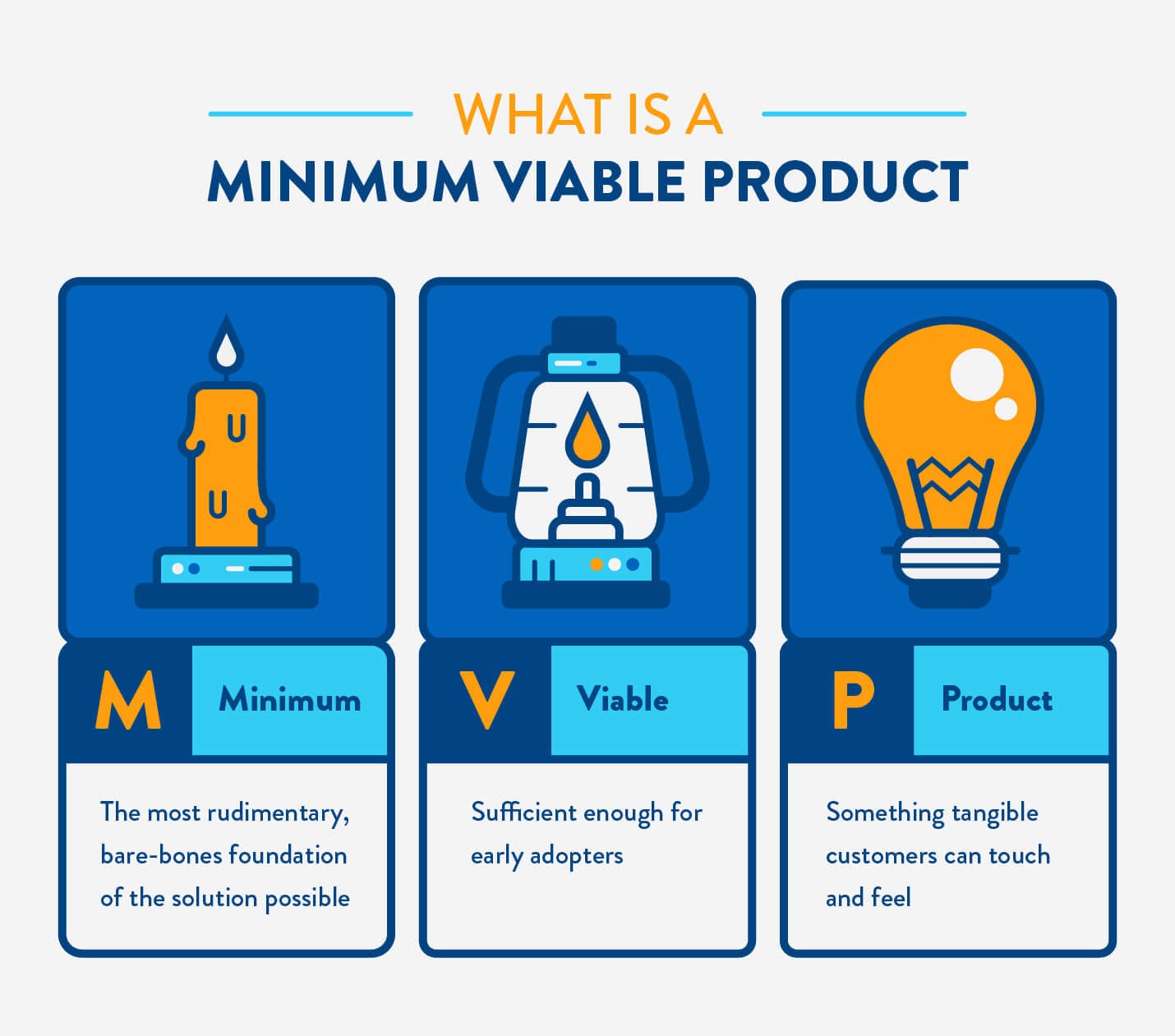
A minimum viable product is the simplest version of a product that can still solve a problem or address a need. The purpose of an MVP is to test the assumptions and hypotheses about a product or business idea in the real world, while minimizing the amount of time, money, and resources invested. To be clear, MVP’s allow companies to release an initial version of their product and gather feedback in rapid time. This works because there are always people who see themselves as innovators and thought leaders. Often what comes with this territory is being the first cohort of individuals to try something and give their opinions about it. Without having to worry about media and popular opinion, companies are able to get real and authentic feedback about whatever product that they are hoping to put out. Additionally, MVP’s allow for a faster time to market for many of the products as it allows for companies to get past the initial testing stage in a much faster time.
Build, Measure, Learn
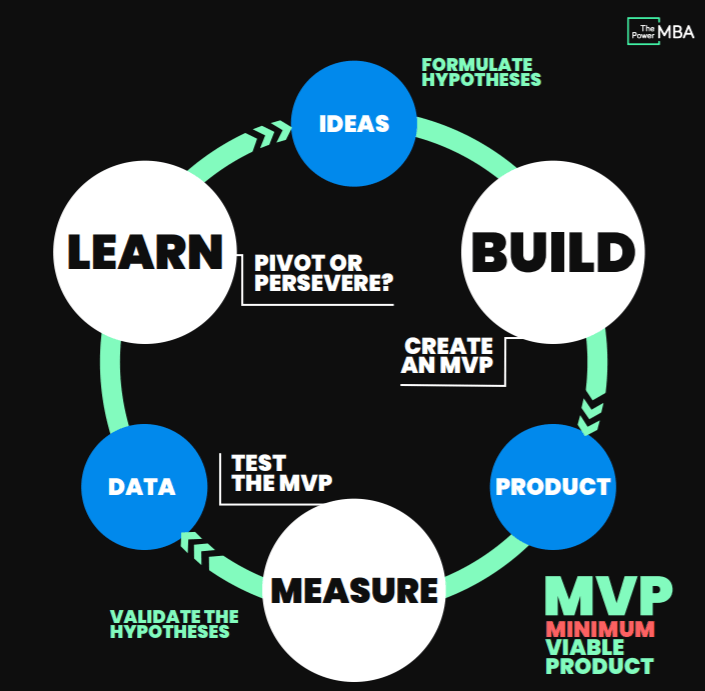
The lean startup method can really be broken down into a couple succinct parts to make it a pretty cyclical process. Although, the three pillars of foundation include the terms Build, Measure, and Learn.
Build
In the Build stage, a company will first create their MVP/prototype and then test it. While it is in the process of being tested, it would be funneled into the system of iterating and refining it down to a good product that would be deemed ready for a large market test. The final step of the build stage is to test the product in a larger market to gather more feedback and validate the assumptions made in the initial hypothesis.
Measure
The measure stage of the lean startup method is when the company takes a further step into the data and looks at that the feedback and results that were gathered to determine whether it was valid or not. The company will usually define metrics first, and these metrics will be used to determine/measure the success of the product. After they define the metrics is when they go ahead and collect as well as analyze the data where they will begin to look at any patterns or trends in the data. Throughout this stage, the company is focused on using data and feedback to make more data-driven decisions about the future direction of the product. I know, confusing right?
Learn
The last stage of this process is the learn stage. This is where a lot of the decision making takes places because it is here where the innovators, or the customers in a sense, determine if the products sink, swims, or continues to barely float. Of course the first step in this process would be to review and reflect upon the process, data, and feedback. The next step would be to identify opportunities for growth in this area, and whether that comes in attracting to new customers or retaining customers is up to the company. From here, the company really decides if their product is ready for the market.
The Proof is in the Pudding
One of the top companies in the world to use an example is AirBnB. AirBNB was founded in 2008 as a pretty easy to navigate website that allowed people to list extra rooms or properties for rent. This website essentially acted as their minimum viable product. They tested this with a small group of thought leaders/ influencers and used their feedback to help better their product. One of the most essential things that they used as a foundational pillar pf their success was their high degree of focus on customer feedback. They genuinely listened to their customers and used their feedback of areas of improvement to their company and platform. They then went ahead and began to tinker and redesign their platform using a hand full of different marketing techniques and approaches. AirBnB has continued to use customer feedback as a key indicator to make informed decisions for the future of their company.