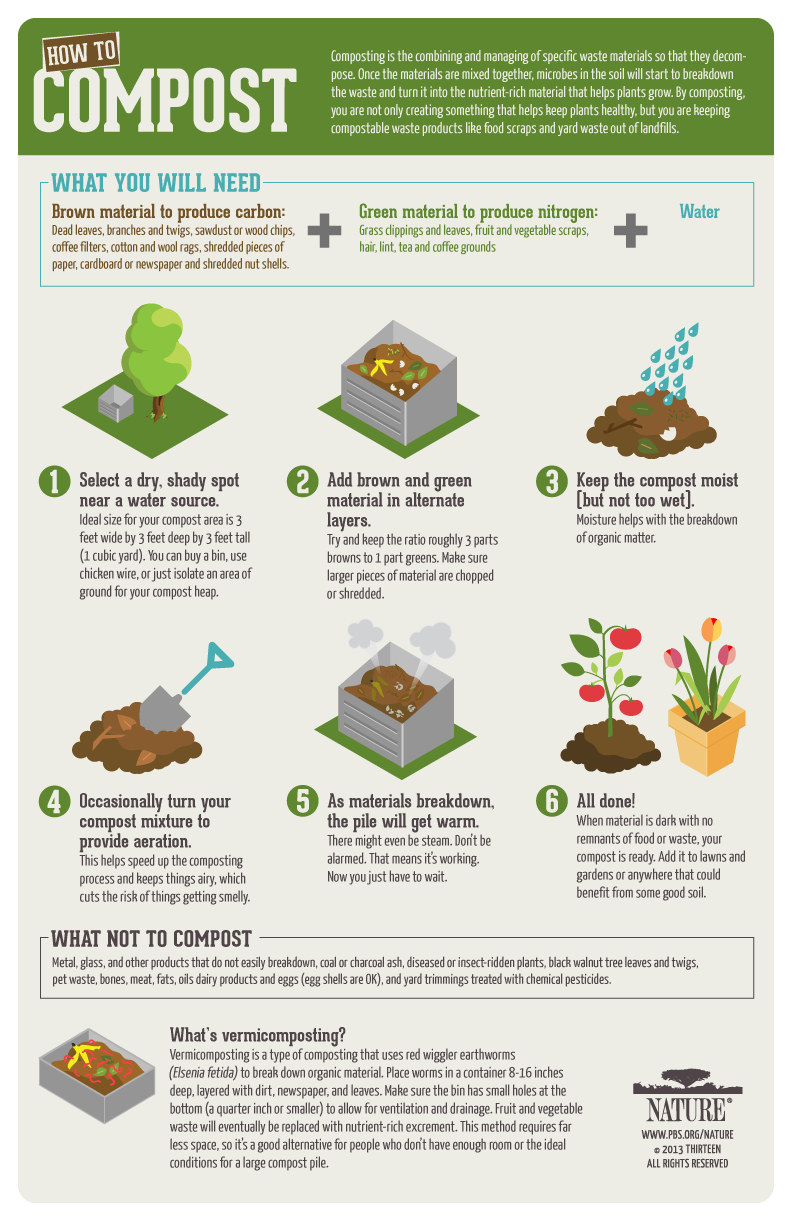
This infographic is informative on what to put into compost, the moisture and shade levels of good compost, and how to properly maintain compost. Good compost should be mostly brown and green, as well as slightly moist. Occasionally turning the compost pile can also help. This infographic surprises me, because I originally had no idea how many factors needed to be taken into account when making compost. I thought the materials that went into the compost pile were the only thing that mattered, but this infographic taught me how moisture and shade also play a major role. I believe it is important for our local students to learn that there is more to composting than just piling up scraps.
Composting Infographic

What: This infographic is so appealing to me because it falls in line with all three effective forms of delivery. It is intellectually stimulating because it offers the information in a way that is easy to read yet teaches composting terminology at the same time. It also shows relevancy to the audience by mentioning the cost benefits of composting and how it can help all of our wallets while saving the earth. Lastly, it is creative through its illustrations and ways of construing ideas to the reader.
Gut: The graphic invoked a feeling of accomplishment before I even started composting. By showing all of the positive results that composting accomplishes, it created a sense of pride that I could save the earth by following a few simple rules. It was pleasing to read, because the terminology wasn’t super confusing, almost as if the intended audience was for a child without being condescending.
So What: Surprisingly, I had never even thought about putting the compost to use in my own dwelling–I always expected to send it off for someone else to use. So saving money on fertilizers by using fresh compost seems beneficial and a no-brainer. Sadly, the infographic fails to cite its sources, so I am curious to see where they got their information.
Now What: I think that highlighting the cost benefits of composting will be a biggie when it comes to attracting college students living in University Village. While composting may be environmentally friendly, in the end students will be more concerned about themselves and how to make it day to day. By highlighting information relevant to them, it may be easier to get them involved. I think the reason we haven’t thought of this yet is because we’ve been so driven on giving the how-to’s of composting, rather than the long term results that come with composting itself.
UGArden Visit- Idan Kirshenbaum
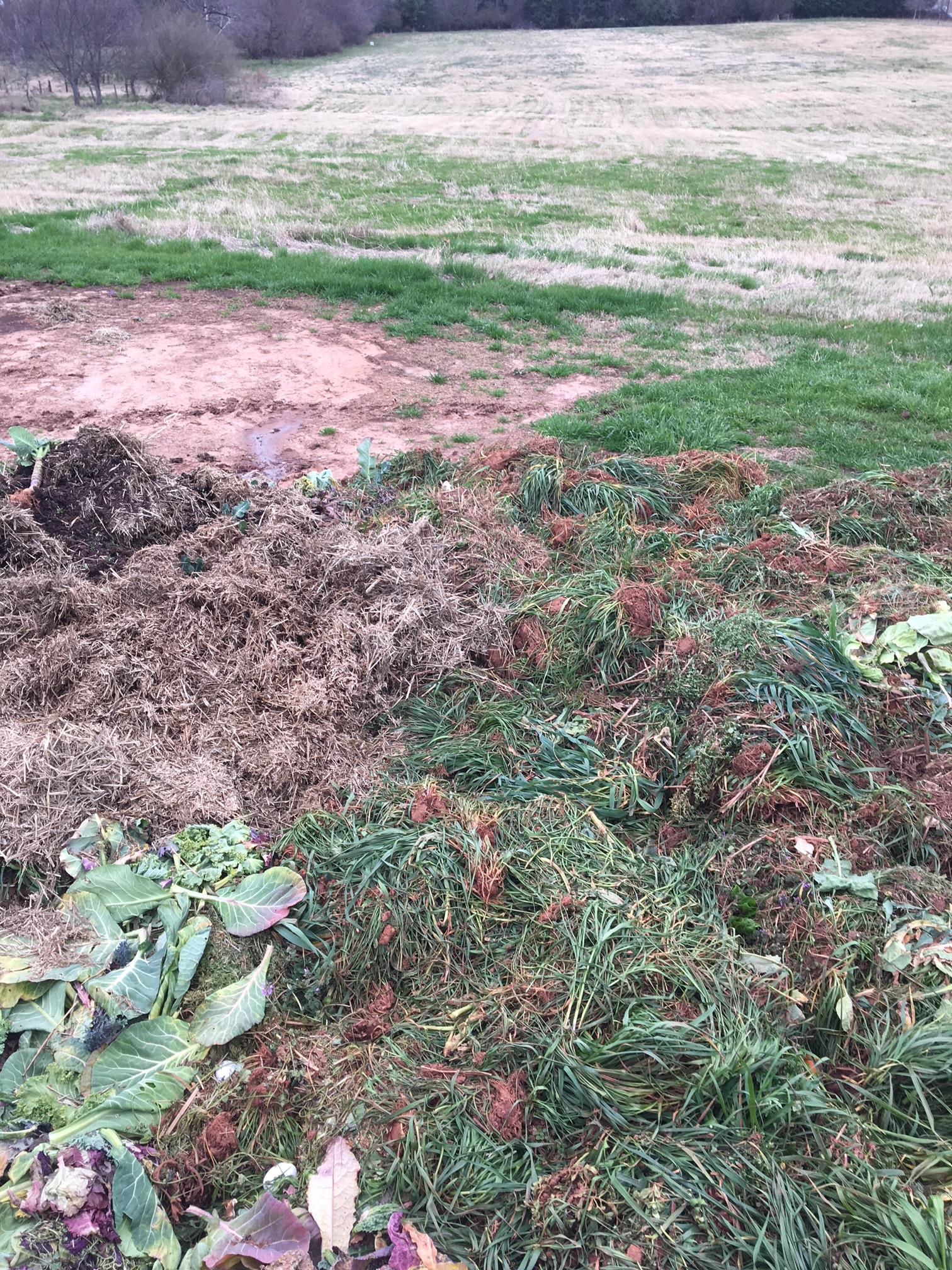
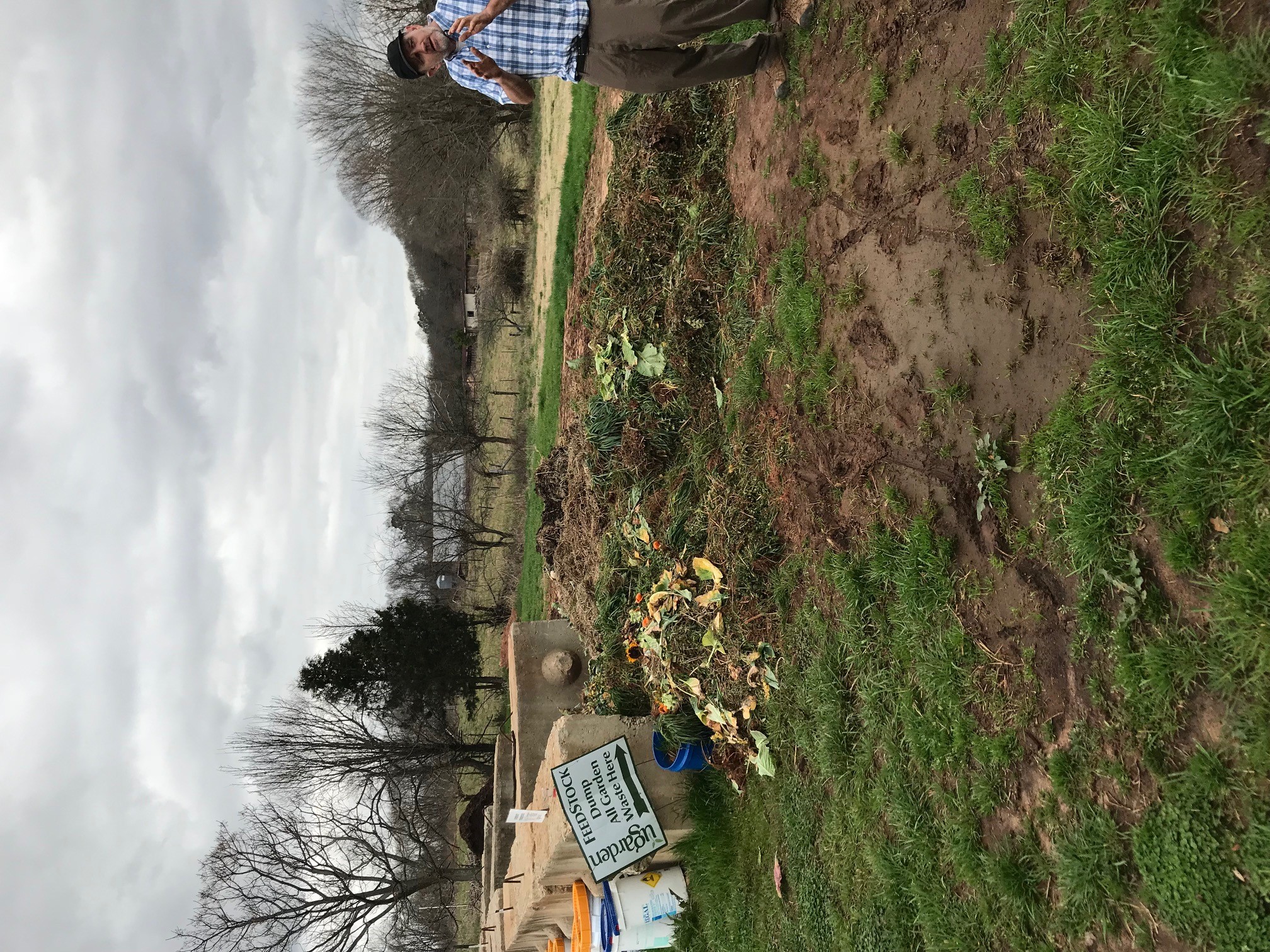
- Start basic: In this picture, while some may see a pile of garbage, I see a compost pile. Mainly, there are food scraps, sticks, leaves and plants.
- What I notice in this picture: I took this picture from above the compost pile, so it appears to blend in with the grass around it. You can’t see the size of the pile from this picture, but it was a lot smaller than I was expecting it to be.
- What this picture makes me think about: When I was younger, I went to Israel with my family and visited my dad’s cousin’s farm. The UGArden brought back some of the memories I have about the farm in Israel as they looked very similar. It also makes me think about how long the composting process actually takes. Prior to visiting the UGArden, I thought it took around a month or two for a compost pile to decompose, but I learned that it takes closer to six months for a compost pile to fully decompose.
- When I look at this picture, I feel: Like I can still smell how bad the compost pile smelled. Because I learned so much about composting, I understand that I can help compost very easily and make a difference.
- I think this picture is about the many different foods and plants people can use to help compost.
UGArden – Blog Post #2
In this picture . . .
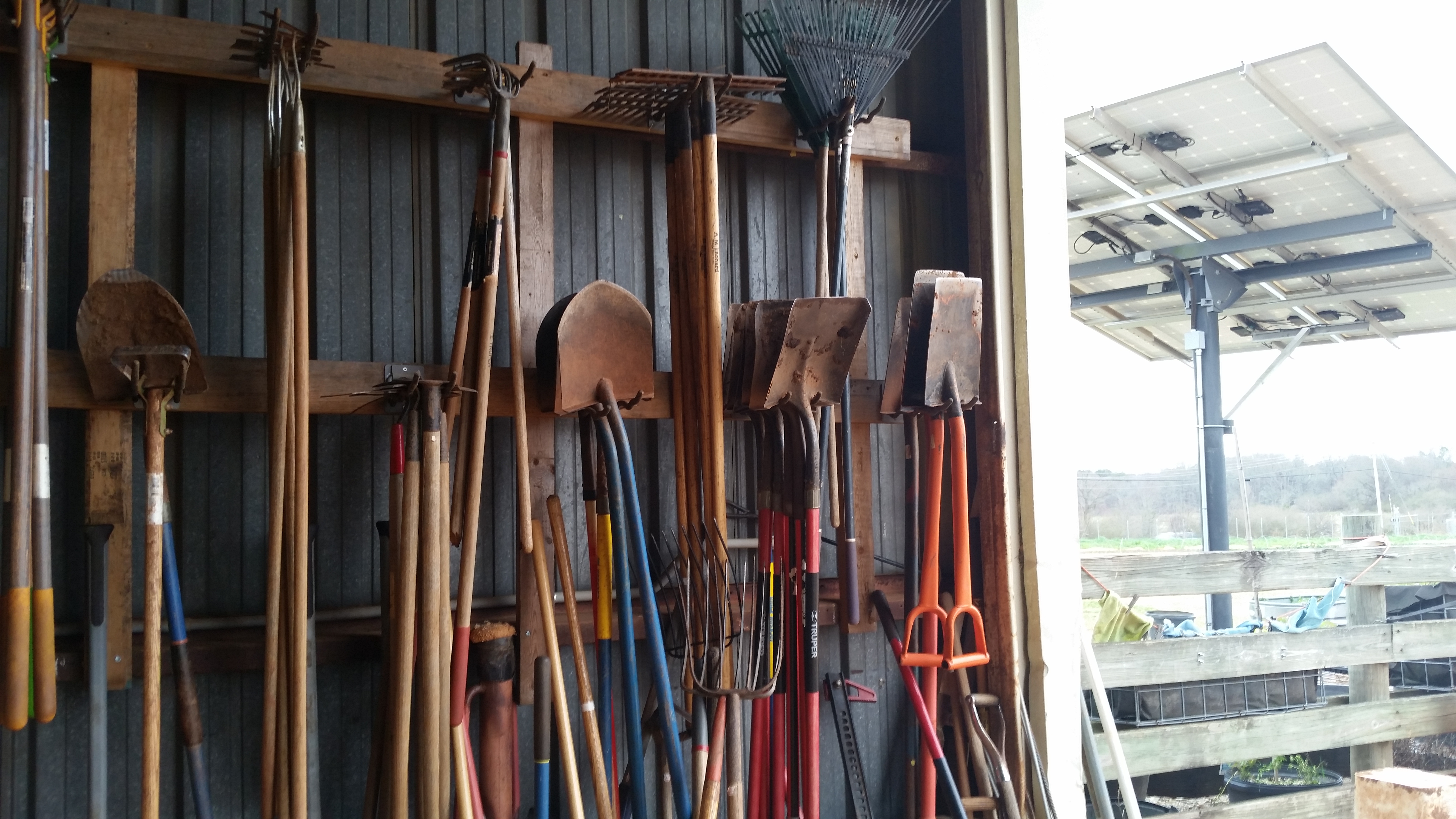
I see the tools of a trade, an surprising number of shovels, rakes, and hoes. Protected from the elements, but always ready to be used. The wear and tear from years of loving use, evident from the dirt-stained metal, the worn out wood, and the carefree manner with which they hang.
I notice tools for which I don’t even know the name. Devices used for jobs so far removed from the world which I know that I couldn’t even begin to guess what their intended purpose is. Instruments of destruction designed to obliterate any resistance to their task.
I think of the way in which these tools have helped their masters. Reducing their workload and easing their strain, these tools have saved thousands of hours of back breaking work.
I feel content knowing that these tools produce good food. That at the end of a season, the reward is something worth laboring over. Biting into some watermelon on a hot summer day, or drinking warm tea during a late night study session. It all begins with these tools.
This picture is about what it takes to grow crops. It represents the effort, knowledge, and time it takes to nurture something which
A trip to UGArden
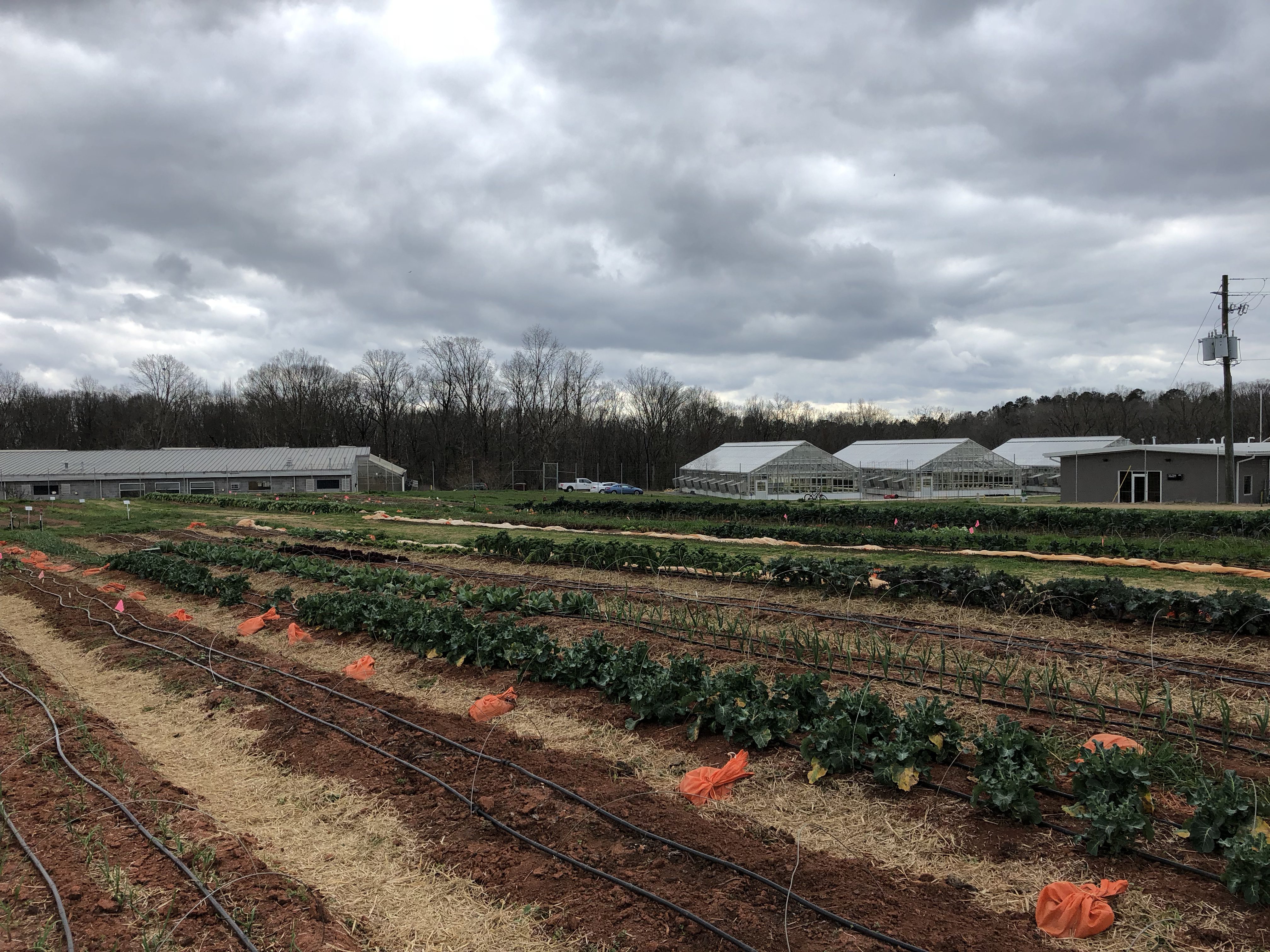
On Thursday, February 15, we took a trip to UGArden. This this trip got me onto the last bus route I needed to have taken a trip on all of the university’s bus routes (Riverbend South Milledge). As soon as I arrived, I was taken aback by just how different things look only two or three miles outside the city. It reminded me a lot of Americus, the city in southern Georgia where I grew up. So that’s really what I saw in the picture below:
Having grown up surrounded by farmland, seeing something like this reminded me just how much the state of Georgia depends on agriculture.
I was immediately curious where the produce from UGArden goes, and was glad to hear that it gets given for charitable purposes. And after hearing Professor Berle talk about composting, it made me feel reinvigorated about protecting the environment.
Rooker Hall Ideas: Workshop
GROUP: Vivian, Ryan, Lauren, Julianna, Bradley
hold workshop for RAs including what composting is and why it’s important.
equip RAs with flyers to distribute to students as well as list of FAQs to help students learn about and execute composting. (e.g. difference between recycling and composting, does composting smell, if paper and plastic can be composted, etc)
students can refer questions to RAs and RAs can contact sustainability group member/representative if need be.
find a way in which RAs can convince students briefly to compost. (via email or add on a few comments about composting to existing meeting?)
Rooker Hall Permissions
Talk to front office of rooker (email them about permissions)
– to put flyers in mailboxes
– distribute to RAs for bulletin boards/ groupmes / emails
-boards with themes for a month
– put signs in kitchenettes
Do we need permission to put bags in rooms/ hallways?
UGArden
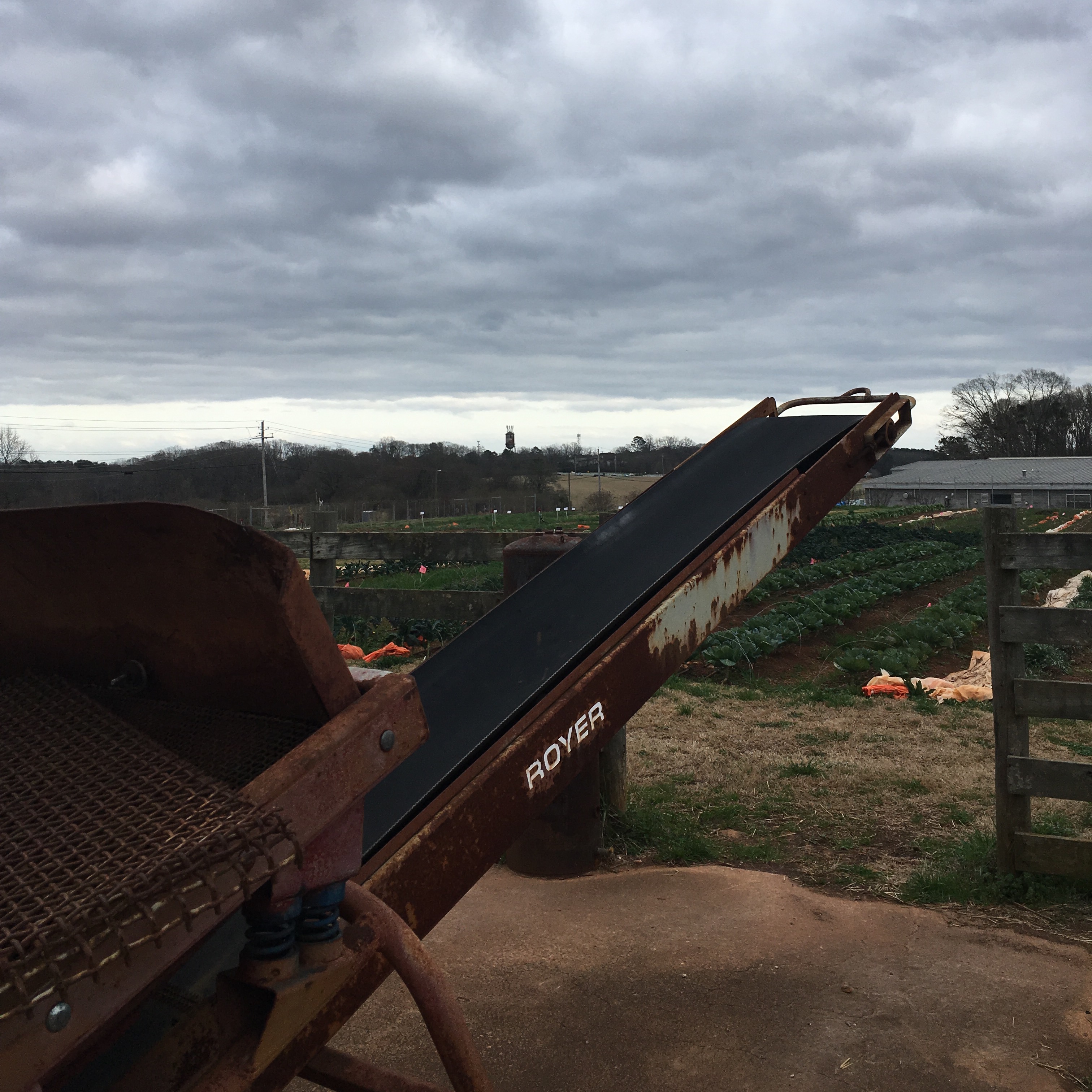
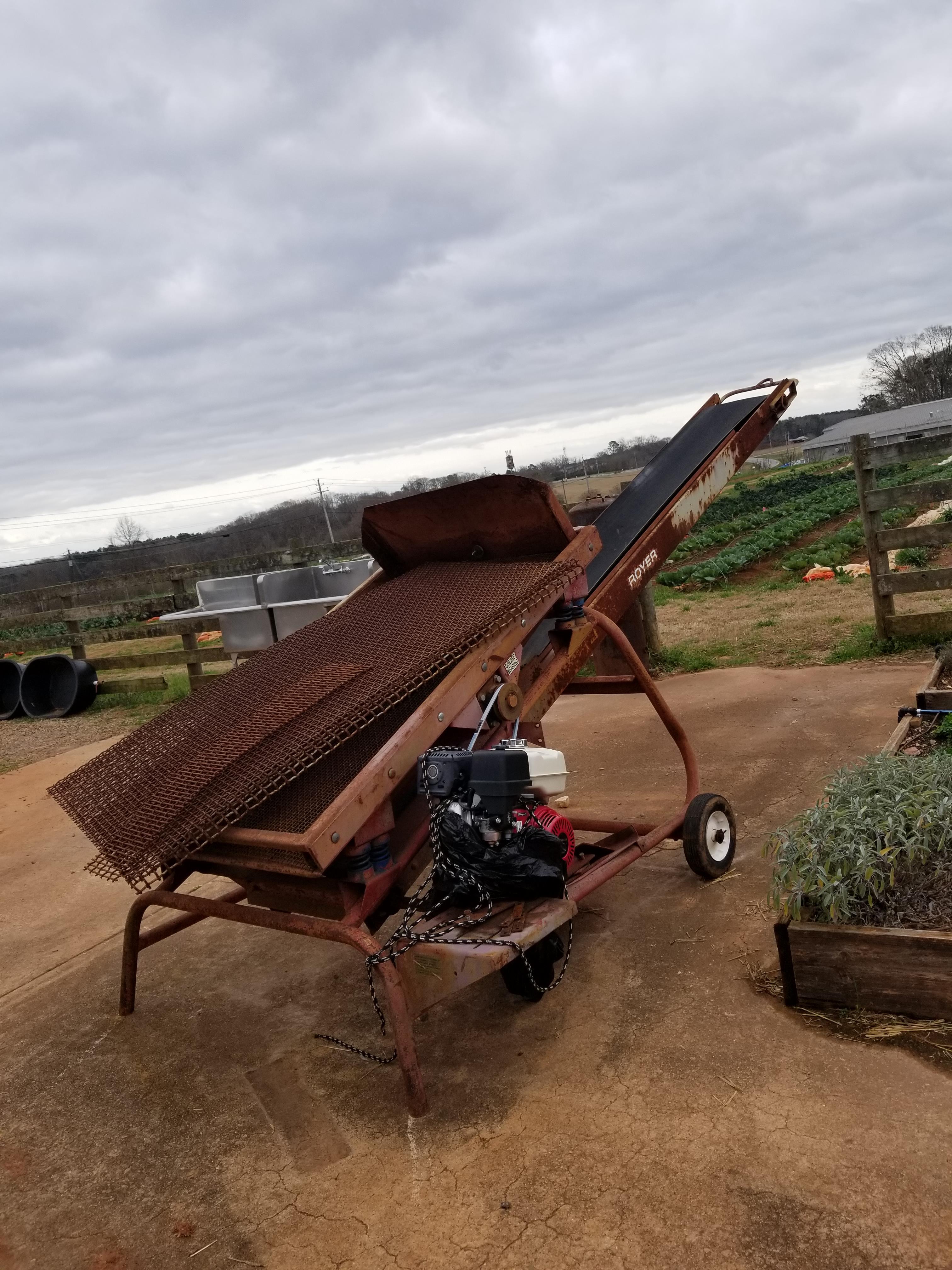
In this picture I see the old composting device as well as some of the garden’s current crops growing in the background. When we first saw the compost system at the garden, it struck me just how much the people cared about the work they did to keep their plants healthy, to minimize the waste they create, to the point where they’ll do their best to utilize even older machines that they need to bear rebuild in the hopes that that machine might improve their system in speed or effectiveness. It made me think about all the hard work out in to growing each and every plant – I can’t help but feel others would interpret this image as equally caring, to see such pretty plants alongside such worn equipment. Even personally I feel simple happiness that someone else could have found such joy and love for the earth and their crops to befit the intense effort put in to making the farm as efficient as possible. The trip and this picture have inspired me to do my best to return to the garden, next time as a volunteer, to help in making it the best it can be.
UGArden-Bradley Howard
In this picture, I see the compost sifter from the UGArden that the guy showed us on our visit. What I really notice in this picture is just how old this equipment is with most of it being rusty. If I remember the man correctly, he said that this machine was somewhere around thirty years old. This picture and this machine really surprise me, and I feel upset that we are using such older equipment in our school’s garden and the compost for the garden. When I look at this picture, I feel upset because I believe that we should have more money going towards this great initiative on our campus to maybe get better, newer, more innovative equipment and possibly expand the project further. This machine, to me, shows that more funds should be allocated to the UGArden.
Josh Marcinczyk | UGArden
- Start basic: In this picture, I see a heap of garbage. Mainly, there are food scraps and sticks and leaves and plants. Overall, it is a sort of compost system.
- What I notice in this picture: The pile, and system as a whole, are a lot smaller than I imagined they would be. Also, the heap blends in very well with the surrounding natural environment.
- What this picture makes me think about: What do you think someone would interpret this at first? This makes me think about the times that I had to help my parents with yard work. Specifically, when we had to pull up plants/weeds, because the pile appears very weed looking to me.
- When I look at this picture, I feel: Rural and uneasy. This picture is characteristic of my thought of a farm. We were far from the center of campus the area seemed very rundown and unfamiliar and made me a little unsure.
- I think this picture is about: UGA’s mission to give back to the community and environment. Their compost system may not be huge, but it is something and you have to start somewhere. It only takes a little bit from everyone. Teamwork makes the dreamwork, and UGA is doing their part.